
Waiting Room Chairs: How Do You Choose the Right Seating for Your Business?

Waiting Room Chairs: How Do You Choose the Right Seating for Your Business? If you need waiting room chairs in Kenya, choose seating that keeps visitors comfortable, withstands frequent use, and fits your available space. The right chairs help your business manage waiting areas, maintain a professional appearance, and give customers a better experience while they wait for service. Before buying, compare the chair design, frame strength, seat cushioning, upholstery, cleaning requirements, and the number of people your business receives.
Jobel Services can help you discuss your office furniture requirements and identify suitable options for your space. Whether you are furnishing a clinic, salon, reception area, corporate office, or customer service centre, selecting the right waiting room chairs can improve how you use your premises.

What Are Waiting Room Chairs?
Waiting room chairs are seats designed for people who need to wait before receiving a service, attending an appointment, or meeting a staff member. Businesses commonly use them in reception areas, clinics, hospitals, salons, offices, educational institutions, and government service centres.
Unlike an employee's office chair, which may need extensive ergonomic adjustments for desk work, waiting room seating often focuses on durability, easy maintenance, efficient space use, and comfort for different visitors.
Common options include:
Individual visitor chairs: Suitable for small reception areas and private offices.
Padded waiting chairs: Provide cushioning for guests who may wait for longer periods.
Mesh-back chairs: Allow airflow around the backrest.
Upholstered chairs: Offer a coordinated appearance for professional interiors.
Stackable chairs: Help businesses save storage space when seating is not needed.
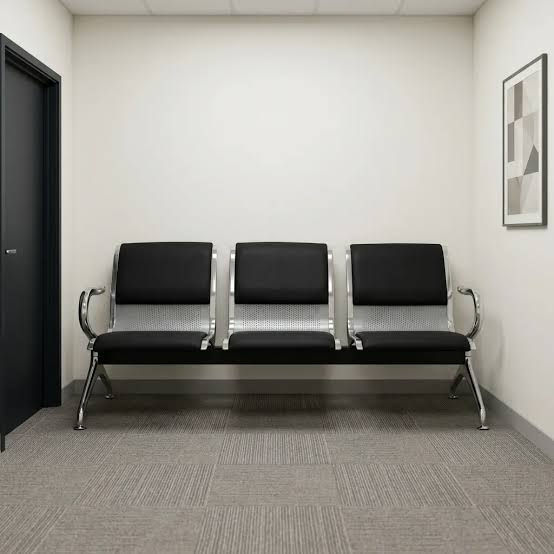
Linked waiting chairs: Connect multiple seats into a row for organized waiting areas.
Bench seating: Accommodates several people along a shared seating unit.
The best choice depends on your visitors, available space, expected waiting time, and cleaning routine.
Why Quality Waiting Room Chairs Matter
1. They improve customer comfort
Long waiting periods can make visitors uncomfortable, especially when chairs have hard seats, unsuitable dimensions, or inadequate back support.
Choose seating with suitable cushioning, a supportive backrest, and a practical seat height. If your business regularly handles appointments or queues, test the chairs before purchasing.
2. They create a professional first impression
Your waiting area is often one of the first spaces customers see. Clean, stable, well-arranged chairs help make the business look organized.
Choose a design that complements your reception desk, flooring, and interior colours. However, prioritize function and durability rather than appearance alone.
3. They help organize visitor traffic
A suitable chair layout creates clear routes between the entrance, reception counter, consultation rooms, and other service areas.
For busy premises, consider whether individual chairs, linked seating, or a combination would make it easier to accommodate visitors without crowding the room.
4. They support daily operations
Strong, easy-to-maintain chairs can reduce disruption caused by frequent repairs or replacement. This matters in businesses where customers use the same seating throughout the day.
Before purchasing, inspect the frame, joints, upholstery, and other components that experience regular wear.
Types of Waiting Room Chairs for Different Businesses
Different businesses have different seating requirements. Use the following examples to narrow your choices.
Waiting room chairs for offices
Office waiting areas often need seating that looks professional and fits the reception layout. Fixed-frame visitor chairs, padded chairs, and coordinated seating sets can work well.
Consider the number of clients who visit at the same time. If the office receives only a few guests each day, a small seating arrangement may be sufficient. A busy office may need more seats and a layout that allows visitors to move easily.
Waiting room chairs for clinics
Clinics need chairs that are stable, comfortable, and compatible with the facility's cleaning procedures.
Choose surfaces that staff can maintain according to the manufacturer's instructions and the clinic's hygiene requirements. Also consider visitors who may have difficulty sitting down or standing up.
Where accessibility is important, plan clear pathways and provide suitable seating options.
Waiting room chairs for salons and beauty businesses
Salons may need waiting chairs for clients arriving before appointments or waiting while staff prepare their services.
Consider cushioning, appearance, and ease of cleaning. The upholstery should suit the salon's cleaning routine and the products used in the environment.
Compact chairs may be appropriate for smaller salons, while larger premises can accommodate wider seating arrangements.
Waiting room chairs for corporate reception areas
Corporate offices may prioritize a coordinated appearance, durable finishes, and comfortable seating.
Upholstered visitor chairs or other professionally styled designs can complement reception furniture. Check the chair dimensions against the available space to avoid overcrowding.
Waiting room chairs for service centres
Banks, repair centres, educational institutions, and customer service offices may receive a steady flow of visitors.
For these environments, prioritize stable frames, easy cleaning, efficient layouts, and materials suited to frequent use. Linked chairs or rows of individual chairs may help keep the waiting area organized.
How to Choose the Best Waiting Room Chairs
Before purchasing, compare these practical factors.
1. Measure the waiting area
Measure the length and width of the room. Mark the position of doors, reception counters, walkways, pillars, and other furniture.
Next, estimate how many chairs can fit without obstructing movement. Remember that visitors need space to sit down, stand up, and move between seats.
Do not buy chairs based only on the number you hope to accommodate. A room filled with tightly packed seating can become difficult to navigate.
If you are furnishing a small reception area, compact individual chairs may be suitable. Larger rooms can accommodate wider chairs, linked seats, or separate seating zones.
2. Estimate how long visitors usually wait
The average waiting time affects the level of comfort you need.
For short waits, simple fixed-frame chairs may be adequate. For clinics, consultation centres, or busy service businesses, choose chairs with supportive backrests and suitable cushioning.
Where visitors may sit for extended periods, assess the seat depth, seat height, backrest angle, and ease of getting up. A chair that looks comfortable may not suit every user, so testing it is worthwhile.
3. Inspect the frame and construction
The frame determines much of a chair's stability and service life.
Before buying, check:
Whether the chair stands evenly on the floor.
Whether the frame or legs wobble under normal use.
Whether joints and fasteners are secure.
Whether the finish suits the environment.
Whether the supplier provides a stated load capacity.
Avoid assuming that all metal frames offer the same strength. Design, material quality, and construction also affect durability.
4. Select practical upholstery
Upholstery affects comfort, appearance, cleaning, and maintenance.
Fabric upholstery: Offers a soft feel and many colour options. However, some fabrics absorb spills and require more careful cleaning.
Synthetic leather: Usually has a smooth surface that can be wiped clean when the manufacturer's instructions permit it. Its durability depends on the material quality and care.
Mesh backrests: Allow airflow around the back. Check the mesh tension and inspect the frame where the material attaches.
Hard seating surfaces: May suit some short-wait environments, although cushioning can improve comfort for many visitors.
Choose materials according to your visitor traffic, cleaning routine, and business environment.
5. Compare seat dimensions
Chair dimensions influence comfort and how many seats fit in a room.
Check the overall width, seat height, seat depth, and backrest height. If the chair has armrests, measure its full width rather than relying only on the seat width.
Consider the range of people who use the space. Visitors should be able to sit naturally and get up without unnecessary difficulty.
Where possible, test a sample chair before purchasing several units.
6. Decide between individual and linked chairs
Individual chairs allow you to rearrange the seating layout when needed. They can work well in small offices, salons, and private reception areas.
Linked waiting chairs connect several seats into a single row. They may suit busy facilities that need a consistent layout.
However, linked units can be less flexible when the room layout changes. Measure the available space and consider how staff will clean around and underneath the seats.
7. Consider armrests and accessibility
Armrests can provide support when visitors sit down or stand up. However, they increase chair width and can reduce the number of seats that fit in a small room.
Consider the needs of your visitors rather than selecting one design for everyone. If the business serves older people or visitors with mobility difficulties, provide suitable seating and clear access routes.
For public-facing premises, review applicable accessibility requirements when planning the layout.
8. Think about maintenance and replacement
Waiting room chairs need regular care, especially in busy environments.
Choose materials that staff can clean correctly and consistently. Ask the supplier about recommended cleaning products and maintenance procedures.
Also check whether common components can be serviced or replaced if the chair develops a fault. For larger purchases, consider whether you can obtain matching chairs later.
How Many Waiting Room Chairs Do You Need?
The right number depends on visitor traffic, room size, and the average waiting time.
Start by estimating how many people are likely to wait at the same time. Review busy periods rather than relying only on the average number of visitors per day.
Next, arrange the chairs and check that people can move through the room safely. Keep doors, exits, counters, and accessible routes clear.
If visitor numbers change throughout the day, a flexible arrangement may help. Stackable chairs can provide extra seating when needed, provided you have suitable storage space.
Avoid buying more chairs than the room can accommodate comfortably. A well-planned waiting area should balance seating capacity with ease of movement.
Common Mistakes to Avoid
When buying waiting room chairs, avoid these common problems:
Choosing the cheapest option without checking quality. Inspect the construction, comfort, and expected maintenance requirements.
Ignoring room measurements. Oversized chairs can block walkways and make the space feel crowded.
Selecting unsuitable upholstery. Consider spills, dust, cleaning products, and the demands of your workplace.
Overlooking visitor comfort. Poor seat dimensions can make waiting difficult, particularly during long delays.
Buying too many chairs. More seats do not help if they prevent people from moving comfortably.
Ignoring stability. Check the frame, legs, joints, and fasteners before purchasing.
Forgetting future needs. Consider whether your business may expand or need matching chairs later.
Where Can You Buy Waiting Room Chairs in Nairobi?
When buying waiting room chairs in Nairobi, compare your seating needs before choosing a model. Consider your business type, the number of visitors, the size of your reception area, your preferred materials, and your budget.
Contact Jobel Services to discuss suitable office furniture options. You can visit the business at Gikomba, Beaver House, opposite NCBA Bank, Nairobi, to enquire about available products and pricing.
Before visiting or ordering, prepare these details:
The number of chairs you need.
The dimensions of your waiting area.
Photos showing the existing layout.
Your preferred chair style and upholstery.
Any specific cleaning, comfort, or accessibility requirements.
Your budget.
Sending photos and measurements before purchasing can help you explain your requirements and narrow down suitable options.
Ask about current availability and pricing before making your final decision. Choose seating that supports your visitors, suits your environment, and provides practical value over time.
Frequently Asked Questions About Waiting Room Chairs
Which waiting room chairs are best for a business?
The best chairs depend on your available space, visitor traffic, expected waiting times, and cleaning requirements. Padded chairs may suit longer waits, while fixed-frame or linked chairs may work well in busy reception areas.
How much do waiting room chairs cost in Kenya?
Prices vary according to the design, frame, upholstery, construction quality, and supplier. Contact Jobel Services for current pricing and suitable options based on your requirements.
Are linked waiting chairs better than individual chairs?
Linked chairs help maintain an organized row and may suit busy service centres. Individual chairs offer more flexibility when you need to change the seating arrangement. Choose according to your room layout and operational needs.
What material is best for waiting room chairs?
The best material depends on comfort, appearance, cleaning, and expected use. Fabric offers a soft feel, while some synthetic leather surfaces are easier to wipe clean. Always follow the manufacturer's care instructions.
How do I keep waiting room chairs clean?
Remove dust regularly, clean spills promptly, and follow the recommended care instructions for the upholstery and frame. In clinics and other hygiene-sensitive settings, follow the facility's cleaning and infection-control procedures.
Can waiting room chairs be used in small offices?
Yes. Compact chairs can work well in small offices if you measure the space and maintain clear walkways. Avoid choosing chairs based only on their appearance or the number you want to fit into the room.
What should I check before buying waiting room chairs in bulk?
Check the dimensions, frame stability, seat comfort, upholstery, maintenance requirements, and consistency of the design. Where possible, inspect a sample chair and confirm current availability before placing a larger order.
Conclusion
Choosing suitable waiting room chairs helps your business create a comfortable, organized, and professional space for visitors. Compare frame strength, cushioning, upholstery, dimensions, cleaning requirements, and seating capacity before making a purchase.
If you are furnishing an office, clinic, salon, or reception area in Nairobi, contact Jobel Services to discuss your requirements. Visit Gikomba, Beaver House, opposite NCBA Bank, Nairobi, and bring your room measurements or photos to help narrow down your options.
Invest in practical waiting room seating that serves your visitors well and supports your business every day.


Comments