
Office Workbenches: How Do You Choose the Right Workbench for Your Business?

Office Workbenches: Which Workbench Should You Buy for Your Workplace? If you need to buy office workbenches in Kenya, choose a workbench with a suitable working surface, stable construction, and enough capacity for your tools, equipment, and daily tasks. The right workbench helps technicians organize tools, complete repairs, inspect components, and perform practical work more efficiently. At Jobel Services, you can discuss your workspace dimensions, intended use, and storage requirements before selecting a suitable work surface.
However, not every workbench suits every environment. An electronics repair workshop may need a compact surface with organized storage, while a maintenance department may require a heavier-duty workbench for larger components. Therefore, compare the construction, dimensions, load capacity, and features before purchasing.
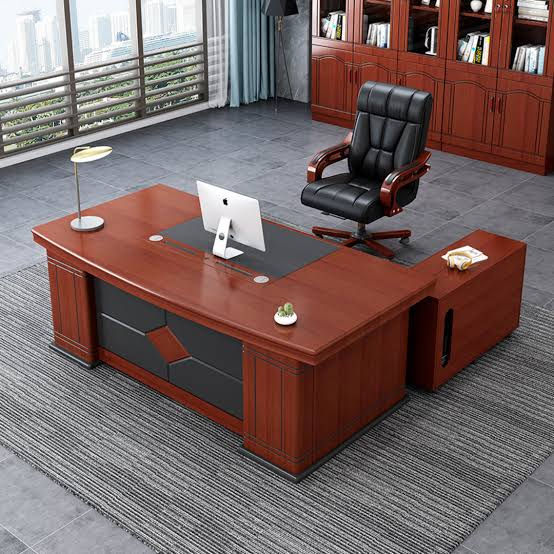
What Are Office Workbenches?
Office workbenches are sturdy work surfaces used for practical tasks in technical offices, maintenance departments, laboratories, repair businesses, and other workplaces. Unlike conventional office desks, they are generally selected for hands-on work involving tools, equipment, components, or materials.
Depending on the design, a workbench may include drawers, shelves, a reinforced frame, a tool panel, or a surface suited to specific tasks.
Businesses may use workbenches for:
Electronics and computer repairs.
Furniture maintenance and assembly.
Equipment inspection and servicing.
Technical training and demonstrations.
Workshop preparation and organization.
Light assembly and component testing.
General maintenance activities.
The best workbench depends on the tasks you perform, the materials you handle, and the weight the surface must support.

Types of Office Workbenches to Consider
Before making a purchase, identify the workbench design that suits your daily activities.
1. General-Purpose Workbenches
General-purpose workbenches provide a sturdy surface for assembly, inspection, maintenance, and other practical tasks. They may be suitable for businesses that handle different types of work throughout the day.
When comparing models, check the tabletop material, frame construction, dimensions, and stated load capacity. Choose a surface that can withstand your normal workload without unnecessary flexing or instability.
2. Electronics Repair Workbenches
Electronics workbenches support tasks such as inspecting circuit boards, repairing computers, and working with small components.
These workstations may benefit from good lighting, organized storage, suitable power access, and a surface that can be cleaned easily. If you handle sensitive electronic components, consider electrostatic discharge protection where required.
An ordinary workbench should not be assumed to provide ESD protection. Confirm the properties of any antistatic mat, grounding equipment, and other protective accessories you intend to use.
3. Heavy-Duty Workbenches
Heavy-duty workbenches are designed for demanding tasks and higher loads, subject to the manufacturer's specifications.
They may suit maintenance departments, workshops, and businesses handling heavier components or tools.
Before buying, verify the maximum load rating, frame construction, tabletop strength, and load distribution requirements. Do not assume that every metal-framed workbench is suitable for heavy industrial work.
4. Workbenches with Drawers
A workbench with drawers provides storage for tools, fasteners, measuring equipment, and small components.
This design can help technicians keep frequently used items within reach while reducing clutter on the working surface.
However, check the drawer dimensions, load limits, locking arrangements where applicable, and whether the storage affects legroom or access to the work area.
5. Workbenches with Shelves
Shelved workbenches provide additional space for materials, containers, tools, or equipment.
They may suit maintenance departments and repair businesses that need to organize frequently used items near the work surface.
Check the dimensions and load ratings of the shelves. Store heavier items according to the manufacturer's recommendations, and avoid arrangements that could make the workbench unstable.
6. Adjustable-Height Workbenches
Adjustable-height workbenches allow users to change the working height, depending on the design.
They can be useful when several people share a workstation or when tasks alternate between seated precision work and standing activities.
Before purchasing, check the adjustment range, locking system, stability at different heights, and maximum supported load.
Choose a model that matches the users and tasks rather than paying for adjustment features you may not need.
How to Choose the Best Office Workbench
Use these factors to compare workbenches and identify a practical option for your workplace.
1. Identify the Tasks You Will Perform
Start by listing the main activities that will take place on the workbench. A workstation used for laptop repairs has different requirements from one used for assembling furniture or servicing mechanical components.
Consider the size of the items you handle, the tools you use, and whether tasks involve delicate components, liquids, adhesives, or heavy equipment.
For example, electronics repair may require an organized surface and ESD precautions, while general maintenance may require a stronger worktop and greater load capacity.
Once you understand the intended use, you can compare designs more effectively.
2. Measure the Available Workspace
Measure the length and width of the area where you plan to install the workbench. Also, check doorways, cabinets, power outlets, storage units, and nearby equipment.
Leave enough room for technicians to move around the workstation and access tools safely. If you plan to use stools or chairs, account for their footprint and legroom.
A large workbench may offer more working space, but it can become inconvenient if it restricts access to other areas.
Buying tip: Send photographs and measurements of your workspace to Jobel Services before purchasing. These details can help you discuss suitable workbench dimensions and configurations.
3. Check the Load Capacity
Load capacity is an essential consideration when selecting a workbench. The surface and frame must support the equipment, tools, components, and materials you intend to place on them.
Before buying, confirm the manufacturer's stated load rating. Where relevant, distinguish between evenly distributed loads and concentrated loads placed in one area.
Also, check the capacity of any drawers or shelves. The workbench's overall rating does not necessarily mean that every component can support the same weight.
Never exceed the specified limits or modify the frame without appropriate technical guidance.
4. Compare Worktop Materials
The worktop material affects durability, maintenance, and suitability for different tasks.
Wood-based worktops: These may suit general assembly and light maintenance. Their suitability depends on thickness, construction, finish, and the nature of the work performed.
Metal worktops: Metal surfaces can be useful for certain demanding tasks, provided the design is suitable. However, metal can conduct electricity and may be unsuitable for some electronics tasks without appropriate precautions.
Laminated worktops: These may be practical for light-duty tasks and routine cleaning. Confirm resistance to the substances and conditions encountered in your workplace.
Specialist surfaces: Certain tasks require specific properties, such as chemical resistance, heat resistance, or electrostatic discharge protection. Verify the manufacturer's specifications rather than assuming an ordinary surface provides these features.
Choose the worktop according to the actual materials, tools, and components you handle.
5. Inspect Frame Stability and Construction
A stable workbench provides a more reliable surface for measuring, assembling, repairing, and inspecting components.
Check the frame, legs, joints, fasteners, and tabletop supports. The bench should stand evenly and remain stable under normal working conditions.
If the workbench includes wheels, verify whether they lock securely and whether the design is suitable for your tasks. A mobile workbench may offer flexibility, but it must remain stable during use.
Inspect the finish and edges as well. Poorly finished surfaces or exposed sharp edges can create practical and safety concerns.
6. Choose a Suitable Working Height
The correct working height depends on the task and the person using the bench.
Precision work often benefits from a height that allows the user to inspect small components without excessive neck or back bending. Tasks involving force may require a different arrangement.
For a shared workstation, consider an adjustable model if users have different requirements.
If you perform detailed electronics repairs, you may also need a suitable chair, task lighting, and magnification equipment. Evaluate the complete setup rather than choosing the workbench in isolation.
7. Consider Storage and Tool Organization
An organized workbench can reduce time spent searching for tools and components.
Depending on your needs, consider drawers, shelves, pegboards, bins, or separate storage cabinets. Place frequently used items within convenient reach while keeping the main working surface clear.
However, do not overload the bench with storage accessories. Check the weight limits and make sure drawers and shelves do not obstruct movement.
For businesses that handle many small components, labelled containers can also help improve organization and reduce the risk of mixing parts.
8. Check Power Access and Lighting
Some workbenches support activities that require electrical equipment, task lights, computers, soldering stations, or testing devices.
Plan the location of power outlets and determine how cables will reach the workstation. Keep electrical leads away from sharp edges, moving parts, liquids, and walkways.
Where work involves electrical testing or heat-producing tools, use equipment and safety arrangements appropriate to the task. Have electrical installations assessed by a qualified professional where necessary.
Adequate task lighting is also important for detailed work. Check whether overhead lighting is sufficient or whether a suitable adjustable lamp would improve visibility.
9. Consider Safety and Maintenance
Your workbench should suit the risks associated with your activities.
For example, a repair station handling electronic components may need ESD controls, while a workbench used with chemicals may require a compatible surface and appropriate spill-management measures.
Keep the area clean, remove unnecessary clutter, and inspect fasteners and supports periodically. Repair damaged surfaces and replace faulty components before they create further problems.
Follow the manufacturer's guidance for cleaning, load limits, assembly, and maintenance.
10. Compare Price and Long-Term Value
Workbench prices vary according to size, materials, frame construction, storage, adjustment features, and specialist requirements.
Before comparing quotations, define the specifications you need. A low-priced workbench may be adequate for light tasks, while a busier workshop may require a more robust design.
Ask sellers to confirm:
Worktop dimensions and material.
Frame construction and finish.
Maximum supported load.
Drawer and shelf capacities, where applicable.
Height and adjustment options.
Included accessories.
Assembly and delivery requirements.
Warranty terms where offered.
Comparing products against the same requirements helps you select a suitable workbench without paying for unnecessary features.
Office Workbenches vs Computer Desks: What Is the Difference?
Although both provide a working surface, they are designed around different priorities.
Feature | Office workbenches | Computer desks |
Main purpose | Practical tasks, repairs, assembly, and maintenance | Computer work, administration, and study |
Construction | May use reinforced frames and task-specific worktops | Often designed around general office equipment |
Load requirements | Depend on tools, components, and equipment handled | Depend on computers, monitors, and accessories |
Storage | May include tool drawers, shelves, or work panels | May include office drawers, shelves, or cable management |
Key consideration | Task suitability, stability, and load capacity | Equipment fit, comfort, and workstation organization |
These categories can overlap. A sturdy computer desk may suit light technical work, while a workbench can accommodate a computer if the surface and environment are appropriate.
Choose according to the work you perform rather than relying on the product name alone.
Common Mistakes to Avoid When Buying Office Workbenches
Avoid these mistakes when selecting a workbench for your business.
Buying without measuring: An oversized workbench may obstruct movement or prevent access to other equipment.
Ignoring load capacity: Confirm that the worktop, frame, shelves, and drawers can support the intended loads.
Choosing the wrong surface: A material suitable for general assembly may not be appropriate for electronics, chemicals, heat, or other specialist tasks.
Overlooking stability: A workbench that moves or wobbles can interfere with precise work and equipment handling.
Ignoring working height: A poorly matched height can make repetitive tasks uncomfortable.
Forgetting tool storage: A workstation without adequate organization may become cluttered and less efficient.
Assuming safety features are included: Confirm any ESD protection, chemical resistance, grounding, or specialist requirements directly from the product specifications.
Failing to confirm delivery details: Check dimensions, access routes, assembly requirements, stock, and delivery costs before ordering.
Where Can You Buy Office Workbenches in Kenya?
If you are equipping a repair workshop, technical office, maintenance department, or practical training area, begin by identifying the type of work the bench must support.
Jobel Services can be contacted to discuss your workspace requirements and suitable furniture options.
Visit Jobel Services at Gikomba, Beaver House, opposite NCBA Bank, Nairobi.
Before making an inquiry, prepare:
Your available workspace measurements.
The tasks you intend to perform.
The approximate weight and size of your equipment.
Your preferred worktop material.
Whether you need drawers, shelves, or other storage.
Your budget and required quantity.
You can also share photographs of the workspace and the equipment you intend to use. This information can help you discuss suitable dimensions and configurations before purchasing.
Confirm current prices, available designs, product specifications, stock, and delivery arrangements directly with Jobel Services before placing your order.
Frequently Asked Questions About Office Workbenches
What is an office workbench used for?
An office workbench provides a stable surface for practical tasks such as equipment repairs, component inspection, light assembly, maintenance, and technical training. The appropriate design depends on the work and equipment involved.
How do I choose the right workbench size?
Measure the available floor space and the items you will handle. Allow room for tools, equipment, storage, and safe movement around the bench. Check the full dimensions before ordering.
What is the best material for a workbench?
The best material depends on the task. Wood-based surfaces may suit general assembly, while some technical tasks require metal or specialist surfaces. Confirm compatibility with your equipment, materials, and working conditions.
How much weight can an office workbench support?
Capacity varies by model and construction. Check the manufacturer's load rating and any separate limits for shelves or drawers. Do not assume every workbench can support heavy industrial equipment.
Do electronics repair workbenches need antistatic protection?
Sensitive electronic components may require electrostatic discharge precautions. Use appropriate ESD mats, grounding equipment, and procedures when needed. An ordinary workbench should not be assumed to provide this protection.
Should I buy a workbench with drawers?
Drawers are useful for organizing tools, fasteners, and small components. However, check their dimensions, load limits, and effect on legroom before choosing a model.
Can I use a workbench as a computer desk?
Yes, if the surface dimensions, height, stability, and working environment suit your computer setup. For sensitive electronic repair work, consider the additional protection and equipment required for the task.
Where can I inquire about office workbenches in Nairobi?
Visit Jobel Services at Gikomba, Beaver House, opposite NCBA Bank, Nairobi. Bring your measurements and details of the workbench's intended use, and confirm the available options and current prices before purchasing.
Conclusion: Choose an Office Workbench That Matches Your Work
The right office workbench gives your team a stable, organized surface for repairs, assembly, maintenance, and other practical tasks. To make a suitable choice, compare worktop material, load capacity, dimensions, working height, storage, and safety requirements.
Most importantly, identify the work the bench must support before deciding on its design. This helps you avoid unsuitable materials, insufficient capacity, and unnecessary features.
Ready to find a workbench for your workplace? Contact or visit Jobel Services at Gikomba, Beaver House, opposite NCBA Bank, Nairobi. Share your workspace measurements, intended use, equipment requirements, photographs, and budget to discuss suitable options before buying.


Comments