
Visitor Chairs for Offices: How Do You Choose the Right Ones?

Visitor Chairs for Offices: How Do You Choose the Right Ones? If you are buying visitor chairs for offices in Kenya, choose seating that keeps guests comfortable, fits your available space, and withstands regular use. The right chairs help you create a welcoming reception area, organize your waiting room, and give customers, clients, and business partners a comfortable place to sit. Before purchasing, compare the chair design, frame strength, seat cushioning, material, and the number of people you expect to accommodate.
At Jobel Services, you can discuss your office seating requirements before selecting suitable chairs for your workplace. Whether you are furnishing a small reception desk, a corporate waiting area, or a customer service office, choosing the right visitor chairs helps you use your space effectively.
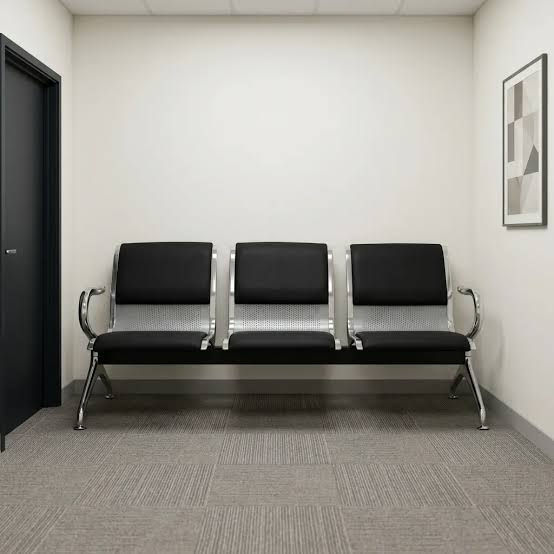
What Are Visitor Chairs for Offices?
Visitor chairs are seats designed for guests who visit an office, business premises, clinic, institution, or reception area. Unlike many office task chairs, which are built for employees working at desks for extended periods, visitor chairs often have a simpler design and require less adjustment.
Depending on your needs, visitor seating may include:
Fixed-frame chairs: Suitable for reception areas and meeting spaces that need consistent seating.
Padded visitor chairs: Provide extra cushioning for greater comfort.
Mesh-back chairs: Allow more airflow around the backrest.
Upholstered chairs: Offer a more refined appearance for professional interiors.
Stackable chairs: Help businesses save storage space when the chairs are not in use.
Bench-style waiting seats: Accommodate several people in designated waiting areas.
The best option depends on how frequently visitors use the chairs, how long they sit, and the space available.

Why Should You Invest in Quality Visitor Chairs?
Visitor chairs affect both the comfort of your guests and the appearance of your workplace. Although they may seem like a minor purchase, unsuitable chairs can make a waiting area uncomfortable and require frequent replacement.
1. Improve visitor comfort
Clients may spend several minutes or longer waiting for an appointment. Chairs with adequate seat cushioning, suitable seat depth, and supportive backrests help make the waiting experience more comfortable.
For offices that receive visitors throughout the day, prioritize seating that supports a range of users.
2. Create a professional first impression
Reception areas often provide the first physical impression of a business. Clean, well-maintained chairs help make the space appear organized and professional.
Choose a design that complements your reception desk, flooring, wall colours, and other furniture. However, avoid selecting chairs based on appearance alone. Comfort and durability are equally important.
3. Make better use of available space
A suitable chair arrangement keeps walkways clear and allows visitors to enter and leave comfortably. Compact chairs can work well in small offices, while larger waiting areas may accommodate wider seats or coordinated rows.
4. Control long-term furniture costs
Strong frames, durable upholstery, and easy-to-clean surfaces can reduce maintenance and replacement expenses. A cheaper chair may cost more over time if it becomes unstable, loses its cushioning, or requires frequent repairs.
Types of Visitor Chairs for Offices
Before buying, identify the type of seating that suits your workplace.
Fixed-frame visitor chairs
Fixed-frame chairs commonly have metal or other rigid frames. They are suitable for reception areas, offices, consultation rooms, and meeting spaces where the seating arrangement remains mostly unchanged.
Check the frame joints, leg stability, and floor-contact points before purchasing.
Padded visitor chairs
Padded chairs have cushioning on the seat and sometimes the backrest. They are useful where guests may need to wait for appointments or attend short meetings.
Look for firm, supportive cushioning that retains its shape with regular use. Very soft padding may feel comfortable initially but can become less supportive over time.
Mesh-back visitor chairs
Mesh-back designs allow air to circulate around the backrest. This can be useful in warm environments or busy waiting rooms.
Inspect the mesh tension, frame construction, and seat padding. A breathable backrest does not automatically mean the entire chair is comfortable.
Upholstered visitor chairs
Upholstered chairs may use fabric or synthetic leather, depending on the model. They can complement executive offices, reception areas, consultation rooms, and professional meeting spaces.
Fabric may offer a softer feel, while smooth synthetic surfaces can be easier to wipe clean. Choose based on the room's appearance, cleaning requirements, and expected level of use.
Stackable visitor chairs
Stackable chairs are designed to fit together vertically when not in use. They suit training rooms, multipurpose halls, institutions, and offices that regularly rearrange their spaces.
Before buying, confirm the stacking arrangement, weight, stability, and storage space required.
How to Choose the Best Visitor Chairs for Your Office
Use the following factors to compare your options before making a purchase.
1. Measure the available space
Start by measuring the reception or waiting area. Record the room's length and width, then identify doors, walkways, reception counters, and other furniture.
Next, estimate how many chairs you need. Do not fill every available corner with seats. Visitors need enough room to sit down, stand up, and move around safely.
For small offices, compact chairs with a simple frame may work better than bulky upholstered designs. Larger spaces may accommodate wider chairs or separate seating groups.
2. Consider how long visitors will sit
The expected waiting time should influence your choice.
For short visits, simple fixed-frame chairs may be sufficient. For clinics, consultation offices, government service points, or businesses where queues are common, prioritize cushioning, back support, and a seat design that accommodates different users.
Where visitors may wait for extended periods, test the chair before buying. Pay attention to the seat height, backrest angle, seat depth, and ease of getting in and out.
3. Check frame strength and stability
A visitor chair should feel stable when someone sits down or stands up. Inspect the frame, joints, legs, and any visible fasteners.
Look for:
A frame that does not wobble under normal use.
Secure joints and properly fitted components.
Legs or supports that sit evenly on the floor.
A finish suitable for the environment.
A stated load capacity where available.
Avoid assuming that a heavy-looking chair is automatically stronger. Construction quality and the way the components are joined also matter.
4. Choose suitable upholstery
The upholstery affects comfort, appearance, cleaning, and long-term maintenance.
Fabric: Often offers a comfortable feel and a broad choice of colours. However, some fabrics absorb spills and may require more careful cleaning.
Synthetic leather: Provides a smooth surface that is generally easy to wipe. Its lifespan depends on the material quality, usage, and care.
Mesh: Offers ventilation on the backrest. Check the material tension and the condition of the edges.
Select upholstery based on the people using the room and the cleaning routines your staff can maintain.
5. Compare chair dimensions
Chair dimensions influence both comfort and space planning. Check the overall width, seat height, seat depth, backrest height, and armrest width if the model has armrests.
Where possible, try the chair before purchasing. Make sure users can sit naturally, keep their feet reasonably supported, and rise without difficulty.
Also consider whether the chairs will be used by children, older visitors, or people with mobility needs. If accessibility is important, plan the layout and seating choices accordingly.
6. Decide whether armrests are necessary
Armrests can provide support when visitors sit down or stand up. However, they increase the overall width of a chair and may make it harder to arrange seats closely together.
Choose armrest models when comfort and ease of movement are priorities. Consider armless chairs where floor space is limited or where flexible seating arrangements are required.
7. Match the chairs to your workplace
Visitor chairs should complement the environment without compromising practical requirements.
Corporate offices: Consider coordinated chairs with durable finishes and a professional appearance.
Clinics and consultation rooms: Prioritize easy cleaning, stability, and comfortable seating.
Reception areas: Select chairs that fit the reception desk and keep the entrance clear.
Training rooms: Consider stackable chairs if the room serves multiple purposes.
Small businesses: Focus on compact designs that offer good value and straightforward maintenance.
8. Consider maintenance and replacement parts
Regular cleaning helps preserve the appearance of visitor chairs. However, the maintenance required depends on the frame, upholstery, and design.
Ask how to clean the material without damaging it. Check whether common components can be serviced or replaced if the chair develops a problem.
For offices purchasing multiple chairs, consider the availability of matching replacements. Buying a consistent design can make future additions easier.
How Many Visitor Chairs Should Your Office Have?
The number depends on visitor traffic, room size, and the average waiting time.
Start by estimating how many guests are likely to wait at the same time. Review busy periods rather than relying only on the daily average. A reception area serving


Comments