
Executive Office Desks: How Do You Choose the Right One?

Direct Answer
Executive office desks are large office desks designed to provide generous workspace, storage, and a substantial working area for managers, directors, business owners, and other professionals. The right executive desk should match the office size, work requirements, equipment, storage needs, and available floor space.
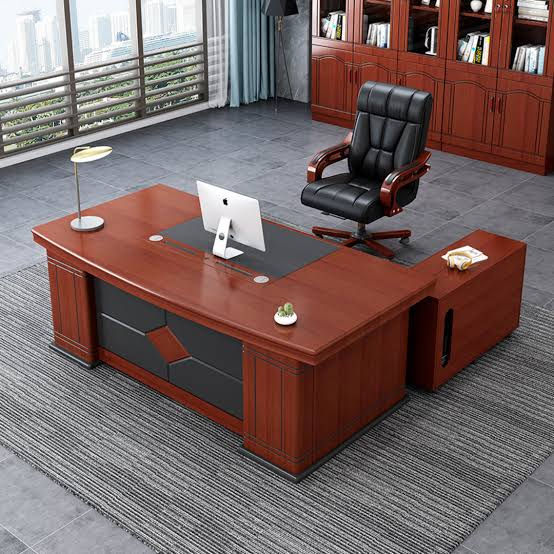
Executive Office Desks Guide
An executive office desk is more than a larger version of a standard office desk. It is designed for professionals who need enough room to handle documents, computers, meetings, and other daily office activities from one workstation.
The desk can also form an important part of an executive office layout. However, choosing one based only on appearance can lead to problems with space, storage, movement, and usability.
At Jobel Services, executive office desks can be considered alongside other office furniture and storage solutions. Before buying, it is important to understand the space available and how the desk will be used.

What Is an Executive Office Desk?
An executive office desk is a larger workstation designed to provide substantial working space and storage for professional office use.
Compared with a basic office desk, an executive desk may offer:
A larger desktop
More storage
Drawers and cabinets
Pedestal space
Cable management
Additional working surfaces
A larger legroom area
Space for meetings or document work
Executive desks are commonly used in private offices, management offices, boardrooms, professional firms, and business premises.
Why Are Executive Office Desks Important?
The right executive desk can improve how a professional uses their office every day.
A suitable desk can provide enough space for:
Computer monitors
Laptop computers
Documents
Files
Writing materials
Telephone equipment
Printers
Meeting documents
Office accessories
It can also reduce the need to move between multiple pieces of furniture during routine work.
However, a larger desk is not automatically better. The desk should fit the room while leaving enough space for chairs, visitors, storage, and movement.
Types of Executive Office Desks
Executive office desks come in different designs and configurations.
Standard Executive Desks
A standard executive desk provides a large rectangular working surface with storage options.
It can work well for:
Managers
Directors
Business owners
Professionals
Private offices
This configuration is practical when the room has enough space for a large desk.
L-Shaped Executive Desks
L-shaped executive desks provide two connected working surfaces.
They can separate different tasks, such as:
Computer work
Writing
Document handling
Meetings
Telephone work
They can also make use of corner spaces effectively.
Before purchasing an L-shaped executive desk, measure both wall directions and leave enough space for movement.
U-Shaped Executive Desks
U-shaped configurations provide extensive workspace around the user.
They are suitable for offices where the user needs several working zones.
For example, one section can accommodate a computer, another can be used for documents, while another provides meeting or writing space.
Because of their size, U-shaped desks require larger offices.
Executive Desks With Storage
Some executive desks include integrated drawers and cabinets.
This can reduce the need for separate storage furniture.
Depending on the design, storage may include:
Drawers
Lockable cabinets
Shelves
Pedestal compartments
File storage
When choosing an executive desk with storage, make sure the storage does not reduce useful legroom.
How Do You Choose the Right Executive Office Desk?
Several factors should be considered before purchasing.
1. Measure the Office
Start by measuring the room.
Record:
Room length
Room width
Door positions
Window positions
Electrical outlets
Existing furniture
Available wall space
Then determine where the desk will be positioned.
Leave enough room behind the chair for the user to move comfortably.
Also consider space for visitors and additional office chairs.
2. Consider Your Daily Work
Think about what you actually do at the desk.
If your work involves many documents, you may need a larger working surface.
If most work is computer-based, prioritize:
Monitor space
Keyboard positioning
Cable management
Legroom
Storage
If meetings take place inside the office, consider an L-shaped, U-shaped, or extended configuration.
3. Choose the Right Desk Size
Executive office desks are generally larger than standard office desks, but the exact size should depend on the room.
A desk that is too small may not provide enough workspace.
A desk that is too large can:
Restrict movement
Reduce visitor space
Block storage
Make the room difficult to clean
Make the office feel overcrowded
Measure before purchasing rather than estimating the available space.
How Much Storage Do You Need?
Storage requirements vary between offices.
Consider what needs to remain close to the workstation.
You may need storage for:
Contracts
Files
Stationery
Personal items
Accounting documents
Meeting documents
Office equipment
For confidential materials, consider lockable drawers or cabinets.
If the desk does not provide enough storage, it can be combined with:
Filing cabinets
Office pedestals
Storage cabinets
Shelving
This creates a more complete office storage system.
Executive Desk Materials
Executive office desks are manufactured using different materials.
Wood-Based Materials
Wood-based boards are commonly used in office furniture because they can provide practical surfaces and a range of finishes.
They can be suitable for regular professional office use when properly constructed and maintained.
Metal Components
Metal may be used for frames, supports, handles, brackets, and other structural components.
It can add strength to heavily used areas.
Glass Components
Some executive desks incorporate glass sections for design purposes.
Glass requires regular cleaning and should be used appropriately for the intended environment.
Laminated Surfaces
Laminated surfaces can provide a practical finish that is relatively easy to clean.
The material should be selected according to expected usage, maintenance requirements, and budget.
Executive Office Desk Cable Management
Modern executive offices often contain several electronic devices.
These may include:
Desktop computers
Multiple monitors
Printers
Telephones
Chargers
Network equipment
Desk lamps
Without cable management, wires can become tangled underneath the desk.
Look for features such as:
Cable holes
Cable trays
Cable channels
Under-desk routing
Dedicated equipment spaces
Good cable management makes the workstation easier to maintain and keeps cables away from areas where they can be pulled or damaged.
Executive Office Desks and Ergonomics
Desk size should not replace ergonomic planning.
The desk should provide enough room for the user to position their monitor, keyboard, mouse, and other equipment comfortably.
Consider:
Desk height
Chair height
Monitor position
Keyboard position
Legroom
Arm position
Screen distance
The desk should also work with the office chair.
A large executive desk with insufficient legroom can be less practical than a smaller desk with better workspace planning.
Executive Office Desks for Small Offices
A small private office does not necessarily require a large executive desk.
Instead, choose a configuration that provides useful workspace without consuming the entire room.
Consider:
Compact executive desks
Corner configurations
L-shaped desks
Built-in storage
Under-desk pedestals
Measure the room carefully before choosing the final configuration.
Executive Office Desks for Large Offices
Larger offices provide more options.
You may have enough space for:
Large executive desks
U-shaped configurations
Separate meeting tables
Visitor chairs
Storage cabinets
Filing cabinets
Shelving
Even in a large office, leave clear pathways around the furniture.
The desk should support the way the room is used rather than simply occupying available space.
Executive Desk vs Standard Office Desk
The main difference is usually size, storage, workspace, and configuration.
Feature | Executive Office Desk | Standard Office Desk |
Working surface | Usually larger | Usually smaller |
Storage | Often greater | Varies |
Office space required | More | Less |
Typical use | Management and private offices | General office work |
Meeting space | May provide some | Usually limited |
Configuration | More options | Simpler |
The right choice depends on the user's work rather than the title of the desk.
Executive Desk vs Workstation
An executive desk is generally designed for an individual professional working in a private or semi-private office.
An office workstation is usually designed around employee productivity and efficient use of shared office space.
Workstations may include:
Partitions
Shared configurations
Cluster layouts
Cable management
Multiple employee positions
If several employees need to work in the same area, workstations may be more practical than individual executive desks.
Common Problems With Executive Office Desks
Choosing the wrong desk can create practical problems.
The Desk Is Too Large
This can reduce movement and make the office feel crowded.
The Desk Is Too Small
Insufficient working space can result in equipment and documents being placed in inconvenient positions.
Insufficient Storage
This can cause documents to accumulate on the desktop.
Poor Cable Management
Loose cables can make the workstation difficult to maintain.
Insufficient Legroom
Storage units and support structures should not interfere with the user's legs.
Poor Room Layout
The desk should not block doors, windows, walkways, or storage units.
How to Maintain Executive Office Desks
Regular maintenance helps keep office furniture functional and presentable.
Follow these steps:
Clean the desktop regularly.
Remove dust from drawers and cabinets.
Avoid excessive weight on unsupported sections.
Keep liquids away from furniture joints and electrical equipment.
Check screws and fittings periodically.
Repair damaged surfaces promptly.
Avoid dragging heavy desks across floors.
Keep cable routes organized.
Do not overload drawers or cabinets.
For large executive desks, use suitable assistance when moving or repositioning them.
How to Organize an Executive Office Desk
A large desk can still become cluttered without proper organization.
Keep the main working surface for items used frequently.
For example:
Monitor and computer in the primary work zone
Telephone within easy reach
Current documents in an accessible area
Stationery inside drawers
Confidential files in lockable storage
Less frequently used materials in cabinets or shelves
Use separate storage for documents that do not need to remain on the desktop.
This keeps the workstation easier to use throughout the day.
Where Can You Buy Executive Office Desks in Kenya?
If you need executive office desks in Kenya, first determine the available office space, the type of work performed, the equipment you use, and the amount of storage required.
Before purchasing, measure:
Room dimensions
Available desk space
Door clearance
Chair clearance
Visitor space
Storage space
Equipment requirements
Also consider desk configuration, material, cable management, storage, and legroom.
Buy Executive Office Desks in Nairobi
Looking for executive office desks in Nairobi? Contact Jobel Services and ask about available executive office furniture and office desk solutions.
You can also visit Jobel Services at Gikomba, Beaver House, opposite NCBA Bank, Nairobi, to discuss your office furniture requirements.
Get the Right Executive Office Desk
Do not select an executive desk based only on its appearance or size.
Send Jobel Services the dimensions of your office, photographs of the available space, the equipment you need to place on the desk, your storage requirements, and the number of people who regularly use the office before purchasing.
This information can help you identify a suitable desk configuration.
Whether you need one executive desk for a private office, several desks for a business, or a complete executive office setup, choosing the correct size and configuration can help reduce unnecessary replacement costs.
Need executive office desks in Kenya? Contact Jobel Services today or visit the shop in Gikomba, Beaver House, opposite NCBA Bank, Nairobi, and ask about suitable executive desks and office furniture solutions.
Frequently Asked Questions About Executive Office Desks
What is an executive office desk?
An executive office desk is a larger professional workstation designed to provide substantial working space, storage, and equipment capacity.
Are executive office desks suitable for small offices?
Yes. Compact configurations can work in smaller offices, provided the desk leaves enough room for movement, seating, and storage.
What size executive desk should I buy?
Choose a size based on your room dimensions, equipment, storage requirements, number of users, and available movement space.
Do executive desks have storage?
Many executive desks include drawers, cabinets, shelves, or pedestal space. Additional storage can also be added separately.
Are L-shaped executive desks useful?
Yes. L-shaped desks can provide separate work areas for computers, documents, meetings, and other tasks while making effective use of corner space.
How do I maintain an executive office desk?
Clean the surface regularly, avoid overloading it, check fittings, organize cables, protect the surface from liquids, and repair damage promptly.
Conclusion
Executive office desks provide generous workspace and can combine working surfaces, storage, equipment space, and meeting functionality in one office setup.
The right desk should match the size of the room and the way the office is used. Before purchasing, consider dimensions, storage, materials, cable management, legroom, equipment, visitor space, and overall office layout.
If you need executive office desks in Nairobi or elsewhere in Kenya, contact Jobel Services or visit Gikomba, Beaver House, opposite NCBA Bank, Nairobi.
Share your office measurements, photographs, equipment requirements, and storage needs so you can identify a desk configuration that fits your workspace.


Comments